
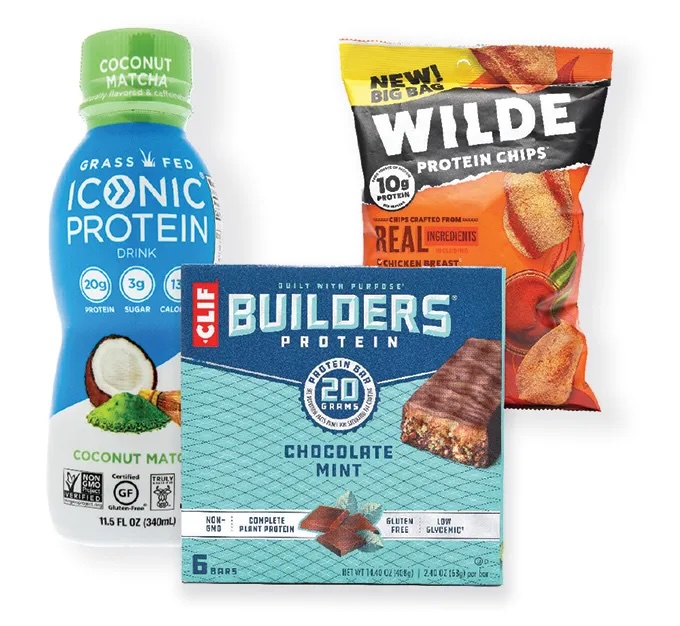
Protein is having a moment. Manufacturers have been adding protein to many foods — from cookies and chips to drinks. And social media influencers with big muscles often push a high-protein diet. It’s the only way, they say, to look like them.
Protein is a crucial nutrient. It helps the body build muscles and bones. Healthy skin, cartilage and blood also depend on it. But recent data show that most people in the United States — especially adults — are getting more than enough protein each day.
So Americans “don’t have a protein issue,” concludes Joseph Matthews. He’s a nutritionist at the University of Arkansas for Medical Sciences (UAMS) in Little Rock. What deserves more attention, he and other experts say, is which proteins people are eating.
Dietary guidelines tend to treat all whole-food protein sources as equal. U.S. guidelines, for instance, recommend 1.2 to 1.6 grams of protein per kilogram (2.2 pounds) of body weight per day. This assumes the protein in an ounce of meat equals that in a cooked egg. It also assumes this will match what’s in a quarter cup of cooked beans or a tablespoon of peanut butter.
But emerging evidence finds this isn’t true. Foods with the same total amount of protein “aren’t equivalent,” says Rob Wolfe. He’s a metabolism expert also at UAMS. Instead, he says, “We should pay attention to the quality of protein.”
He’s referring to the molecular makeup of a protein, plus how easily the body will digest it.
Animal foods typically have higher-quality proteins than plant foods, research shows. So meat, eggs and dairy generally beat out legumes, nuts and seeds.
That doesn’t mean people should eat more meat, says Glenda Courtney-Martin. She’s a nutrition scientist and dietician at the University of Toronto Hospital for Sick Children in Canada. People in wealthy countries are generally advised to eat less meat, a shift that not only boosts health but also cuts pollution.
Instead, nutritionists say people can get high-quality protein if they adjust how much plant-based protein they eat. Eating certain foods together can help. So can changing how people prepare their protein sources.
Protein is also far from the only nutrient that matters, Courtney-Martin emphasizes. It’s part of a balanced diet — which is especially important for young, growing people. “It matters for their overall health,” she says — “for them to be able to function properly in school, on the playground, for their bodies to grow in a way that they can live longer and stronger lives.”
All proteins are not equal
Proteins are made from long chains of amino acids. The order of those amino acids determines the type of protein. To work properly, the human body needs 20 amino acids. Our cells can make only 11. Food must provide the rest. These other nine are called essential amino acids because we need them and they must come from what we eat.
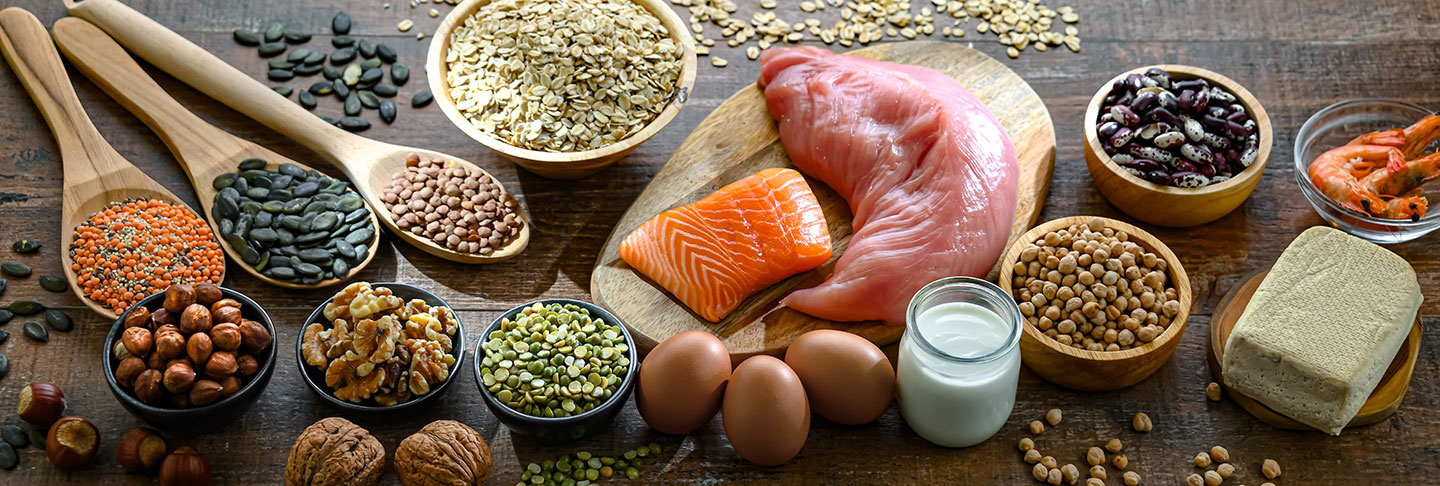
Foods vary widely in how much of these essential amino acids they have. Beef, chicken, fish, milk and eggs contain plenty of all essential amino acids. Nuts and most beans do not.
Proteins in food also come bound up in fibers and other substances. The body must break those substances down to release their essential amino acids. How well our bodies can do this affects a protein’s bioavailability. In general, the body is better at breaking down animal proteins than those from plants.
The essentials

What’s more, the body needs every type of amino acid to build protein-based tissues, such as muscle. After eating, the 11 amino acids already on hand in the body combine with the nine amino acids acquired from the food to make complete proteins. Once we’ve made as many complete proteins as possible, our body will often have many essential amino acids left over. It tosses those out.
To picture why, imagine you’re baking banana bread and the recipe calls for one banana in each loaf. If you have seven bananas, you can only bake seven loaves — even if you have lots of extra eggs, flour and other ingredients. In the same way, if your body has only a little bit of one amino acid, it can make very few proteins — even if it has a ton of the other amino acids.
Scientists don’t yet know whether the body has hours or days to use the amino acids it has on hand. But “if only half the protein you eat is actually being digested and absorbed into the body … [that other half is] not providing any benefit,” Wolfe says.
He was part of a team that published evidence in 2021 showing that the body can’t use all food proteins equally well. In this study, his group randomly assigned 56 people, ages 18 to 40, to one of seven foods. The options: beef sirloin, pork loin, eggs, kidney beans, peanut butter, tofu or mixed nuts.
Each person ate what counts as the same amount of protein under U.S. dietary guidelines. The team then analyzed blood to measure how efficiently each person had turned amino acids from their assigned protein source into muscle proteins. People eating the animal products had more muscle proteins than those eating plant-based proteins.
Rewriting guidelines
One way to fix dietary guidelines would be to build them around essential amino acids instead of protein, says Donald Layman. He studies the biochemistry of nutrition at the University of Illinois Urbana–Champaign. Our bodies “don’t have a protein requirement at all,” he says. “What we have is a requirement for nine essential amino acids.”
To that end, his team built a tool called EAA-9. That’s short for nine essential amino acids. It calculates how well foods help people get the ones they need.
Consider an egg. One egg has about 25 percent of the recommended daily amount of several amino acids. But it has only 15.77 percent of one essential amino acid: histidine (HIS-tih-deen). So the body will toss out all but 15.77 percent of the other eight essential amino acids it has. The result: An egg gets an EAA-9 score of 15.77.
Peanut, peanut butter
Current dietary guidelines — and food labels — say that the protein in a tablespoon of peanut butter and in a single egg are the same. But based on a new scale developed by scientists, that’s not true.
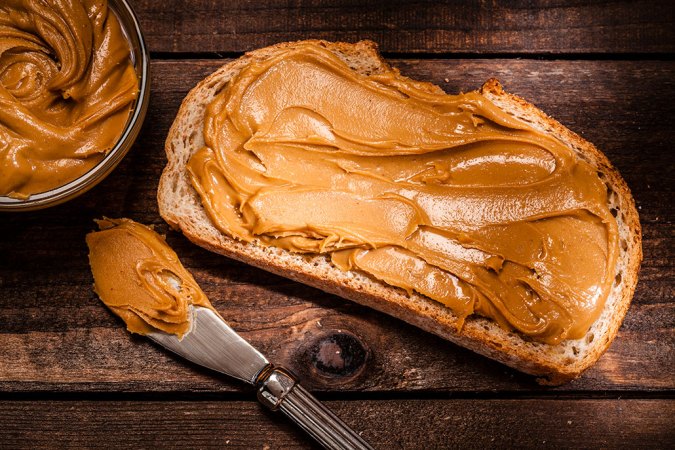
Peanut butter is so lacking in the essential amino acid lysine (LY-seen) that a single tablespoon gets an EAA-9 score of just 4.04. So current guidelines may say the amount of protein in a tablespoon of peanut butter matches that of an egg. But based on the EAA-9 scale, that’s not true. You’d have to eat about four times as much peanut butter to get the protein benefits of an egg.
Likewise, the EAA-9 shows someone would need to eat more than twice the recommended daily intake of legumes (such as lentils or beans) to match an egg’s protein.
Layman’s team shared these findings in the July 2025 Journal of the Academy of Nutrition and Dietetics.
“If your diet has mostly lower-quality proteins, then you need more quantity,” Matthews says.
With tools like the EAA-9, people can better appreciate that. But most people aren’t going to whip out a calculator to crunch the EAA-9 score for what’s in each meal they eat. Fortunately, there are a few rules of thumb that young people can follow to get the food-based amino acids they need.
Good protein intake is a balancing act
“It’s important that [young people] get a source of protein, some protein, in every meal,” says Courtney-Martin. And, she adds, “It’s important that they choose foods that are less processed… meaning less foods that you buy in a package… less foods that are prepared in a fast-food store. More foods that you prepare at home.”
Doing this does not require loading up your plate with meat, even though animal products contain high-quality proteins. In fact, there are good reasons not to.
Meat tends to be high in fats that can contribute to cardiovascular disease. That illness is “a plague in developed nations,” Courtney-Martin says. Eating a lot of meat also has been linked to cancer and other health problems.
Diets rich in plant foods, on the other hand, can help improve blood-sugar control, digestive health and cholesterol, research shows.
And eating less meat has more than just health benefits. Raising livestock takes a heavy toll on the environment. It emits greenhouse gases and takes up land that wildlife then can’t use. Researchers wrote about those problems in 2019. They advised people to eat mainly plant foods, some seafood and poultry — but almost no red meat (such as beef).
“There are plant sources that are high sources of proteins,” Courtney-Martin says. “The issue is that they are low in one or more amino acids.”
The solution? Meeting your amino-acid needs from plant-based foods may require a bit more mixing and matching.
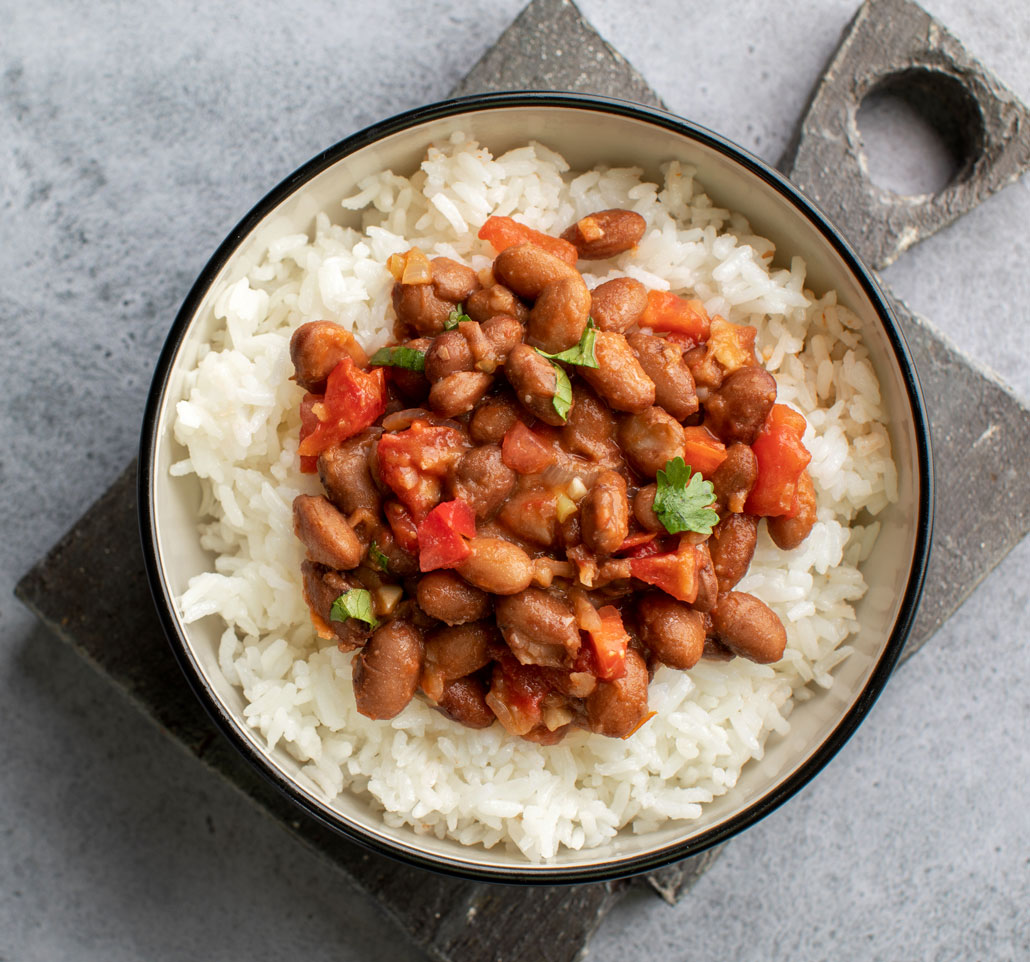
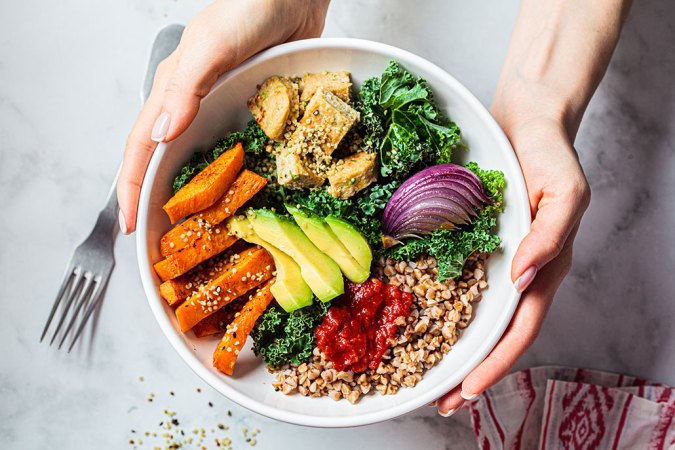
Matthews, Wolfe and their team have come up with tips on how. Legumes, for instance, don’t have very much of the amino acid methionine (Meh-THY-oh-neen). But they have lots of lysine. Rice has the opposite amino-acid profile. So eating beans and rice together — as people do in many cuisines — can provide a high-quality-protein meal.
Another tactic: Substitute rice with other cereals, such as sorghum or millet. Simple ways to process lentils and beans — such as soaking and fermentation — also can make it easier for the body to digest their proteins.
Many young people in Western nations can reduce how many animal proteins they eat and still be healthy, Courtney-Martin says. She has started cooking a pot of beans or lentils and storing them in the fridge for a week. Instead of having two pieces of chicken for dinner one night, she eats one piece with a quarter cup of legumes, she says. In this way, she explains, she’s “consistently eating less animal than I would normally.”
Why diet matters
Eating a good blend of amino acids is important. But paying attention to what you eat “isn’t just about protein,” Courtney-Martin adds. “It’s about overall nutrition.”
Sure, you want a source of protein at every meal. But you also want vitamin-rich fruits and vegetables. You want cereal grains that will provide carbohydrates and fiber. And you’ll want dairy or other sources of calcium to build strong bones.
“It’s about combining those foods in the same meal as often as you can at least three times for the day,” Courtney-Martin says. “While you’re young it may not seem to matter,” she says. But as people age, she notes, their bodies “break down quicker, and they’re more susceptible to everything. Every cold, every disease.” So you need to develop good habits.
Nutrition isn’t just about fueling your body today. It’s about building a healthier body for life.
Maria Temming contributed reporting to this story.
Do you have a science question? We can help!
Submit your question here, and we might answer it an upcoming issue of Science News Explores
📚 NCsolve - Your Global Education Partner 🌍
Empowering Students with AI-Driven Learning Solutions
Welcome to NCsolve — your trusted educational platform designed to support students worldwide. Whether you're preparing for Class 10, Class 11, or Class 12, NCsolve offers a wide range of learning resources powered by AI Education.
Our platform is committed to providing detailed solutions, effective study techniques, and reliable content to help you achieve academic success. With our AI-driven tools, you can now access personalized study guides, practice tests, and interactive learning experiences from anywhere in the world.
🔎 Why Choose NCsolve?
At NCsolve, we believe in smart learning. Our platform offers:
- ✅ AI-powered solutions for faster and accurate learning.
- ✅ Step-by-step NCERT Solutions for all subjects.
- ✅ Access to Sample Papers and Previous Year Questions.
- ✅ Detailed explanations to strengthen your concepts.
- ✅ Regular updates on exams, syllabus changes, and study tips.
- ✅ Support for students worldwide with multi-language content.
🌐 Explore Our Websites:
🔹 ncsolve.blogspot.com
🔹 ncsolve-global.blogspot.com
🔹 edu-ai.blogspot.com
📲 Connect With Us:
👍 Facebook: NCsolve
📧 Email: ncsolve@yopmail.com

😇 WHAT'S YOUR DOUBT DEAR ☕️
🌎 YOU'RE BEST 🏆