
What is Lunar Regolith? (Grades 5-8)

This article is for students grades 5-8.
The surface of the Moon is covered in a thick layer of boulders, rocks, and dust. This dusty, rocky layer is called lunar regolith. It was created a long time ago when meteorites crashed into the Moon and broke up the ground. NASA scientists study the regolith to learn more about the Moon’s history. But the smallest parts of the regolith make exploring the Moon very hard! That is why scientists are working to understand it better and to keep astronauts safe during future lunar missions.

What is lunar regolith like?
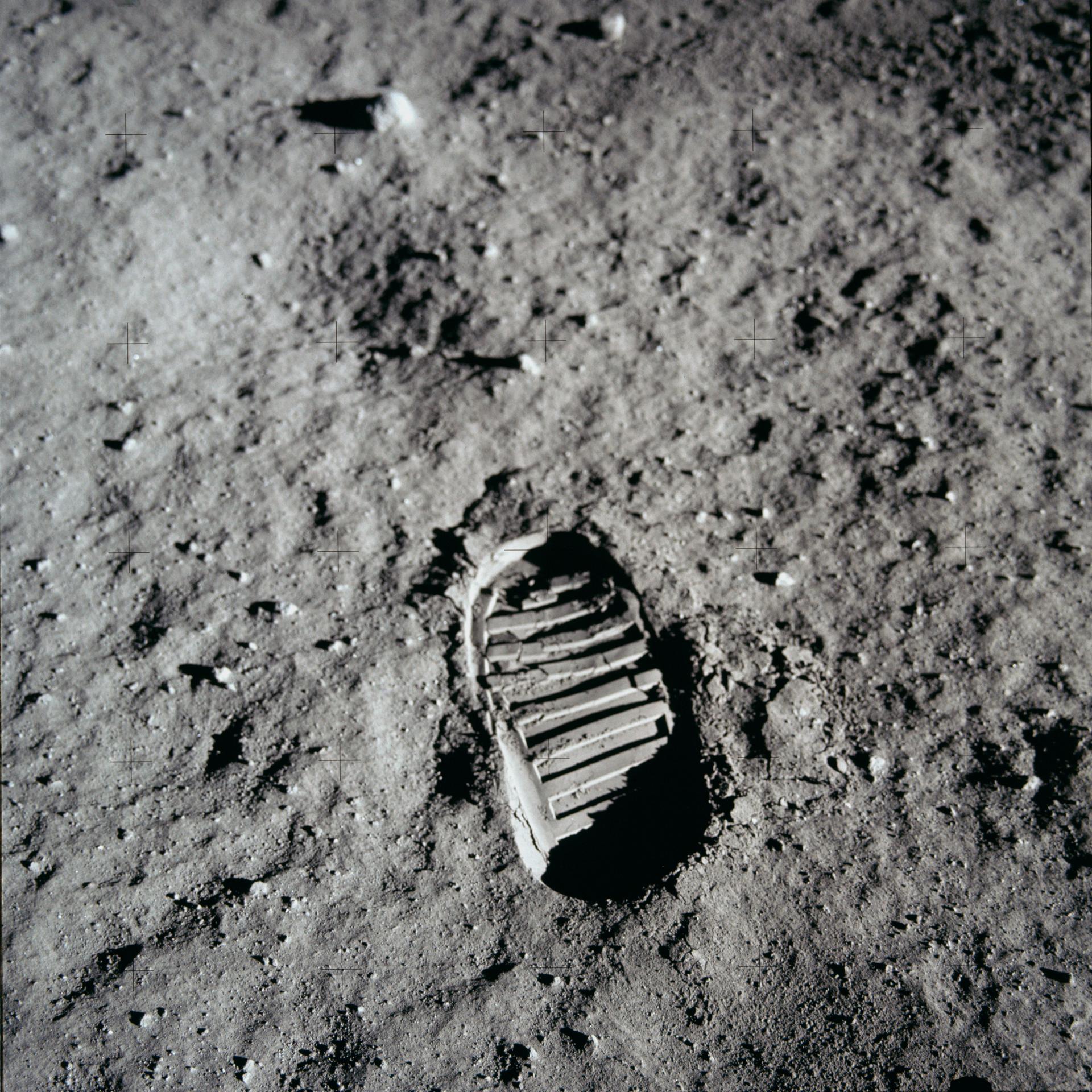
Lunar regolith is full of tiny, sharp pieces that can act like little bits of broken glass. Unlike the dust and soil on Earth, the smallest pieces of regolith have not been worn down by wind or rain. These bits are rough, jagged, and cling to everything they touch – boots, gloves, tools, and even spacecraft! In pictures it might look like soft, harmless gray powder, but it is actually scratchy and can damage lunar landers, spacesuits, and robots. This makes working on the Moon a lot harder than it looks!
Is regolith harmful to astronauts?
The small parts of lunar regolith get stuck on spacesuits and can be brought inside the spacecraft. Once it is inside, it can cause some serious problems. The tiny, sharp pieces can make astronauts’ skin itchy, irritate their eyes, and even make them cough. If it gets into their lungs, it can make them sick. Scientists worry the damage from breathing in lunar regolith could keep bothering astronauts for a long time, even after they are back on Earth. That is why NASA scientists and technologists are working hard to find smart ways to deal with regolith and protect astronauts!
Can regolith damage NASA equipment?
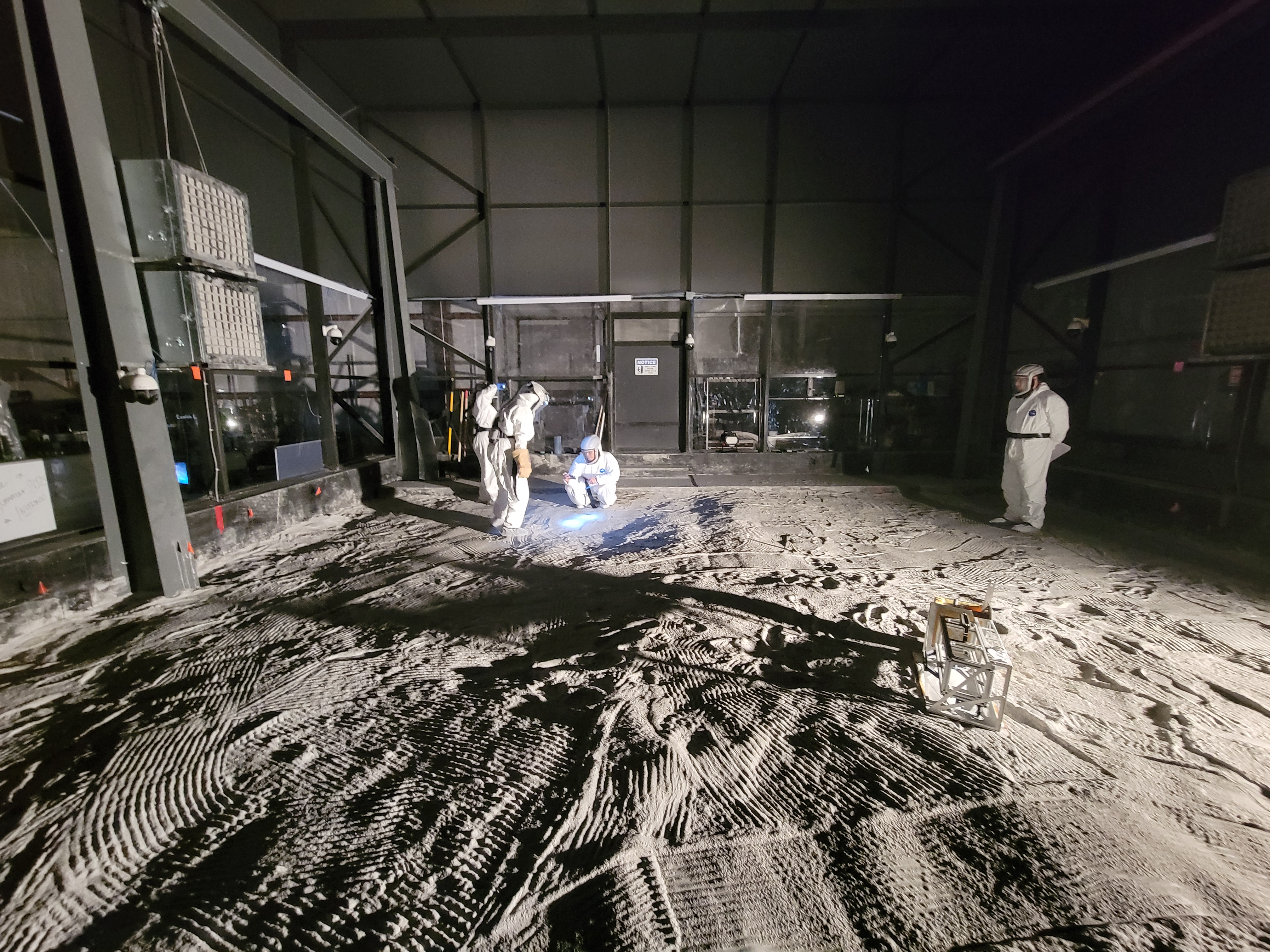
Regolith doesn’t just cause trouble for astronauts. It can also damage important machines! It can scratch tools and cover up solar panels, causing them to stop working. It can also clog radiators, which are used to keep machines cool. The small bits of regolith can make surfaces slippery and hard to walk on. It can even make it tough for robots to move around. Unlike Earth’s soil, the Moon’s regolith isn’t packed down. Any time we move things around on the Moon’s surface, we spread the rough, dusty particles around. Can you imagine what a mess launching and landing a spacecraft would make?
All of this can make exploring the Moon much more difficult and even dangerous!
What is NASA doing to understand lunar regolith?
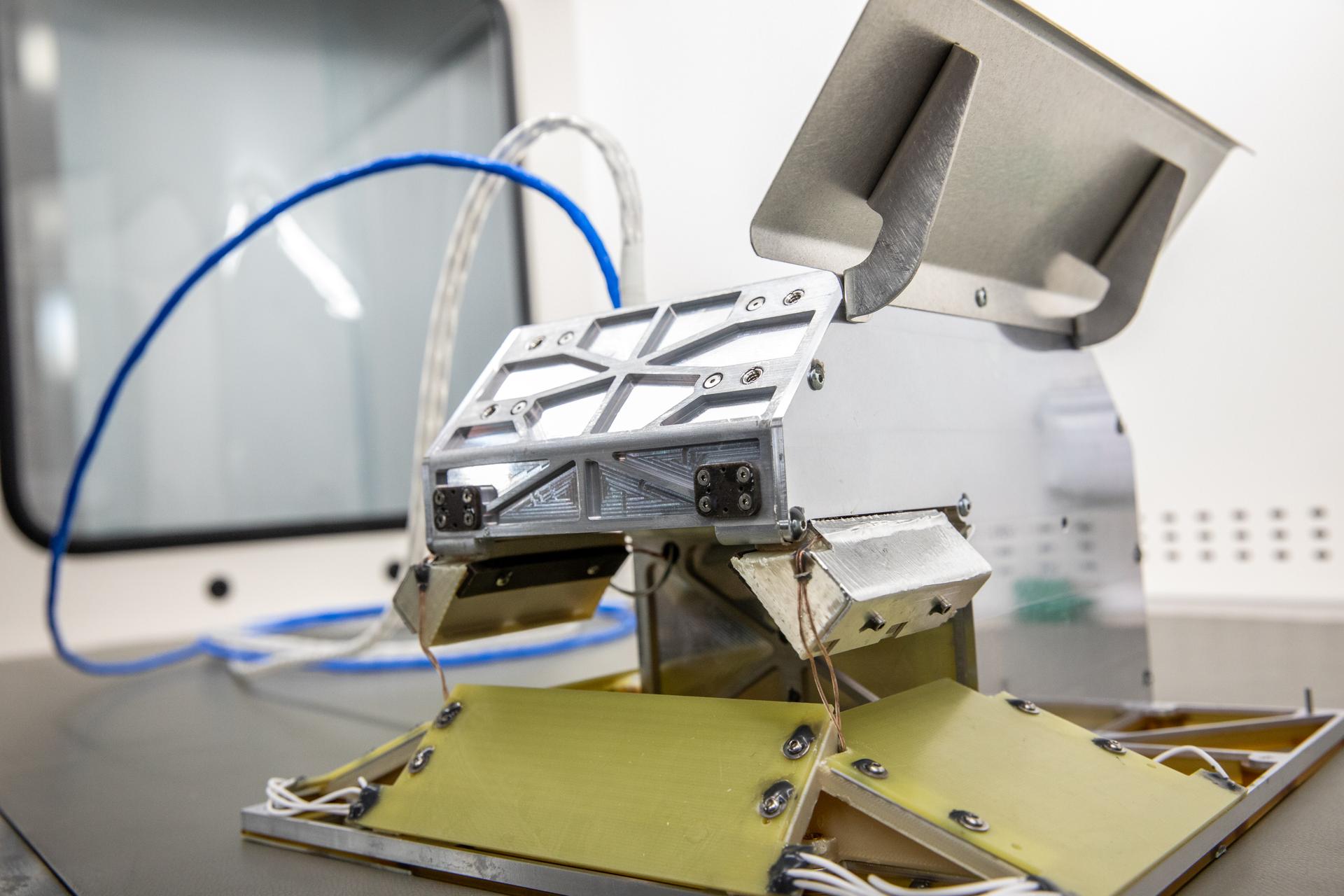
NASA is building many cool technologies to help deal with the harm regolith can cause. One of the tools technologists have already developed is call an Electrodynamic Dust Shield (EDS). It uses electricity to create a kind of force field that pushes the small particles away from tools on the Moon!
There are many ways NASA is working to understand lunar regolith. One interesting way is by using special cameras and lasers on landers to watch how the regolith moves when a spacecraft lands. This system is called SCALPPS, which stands for Stereo Cameras for Lunar Plume-Surface Studies. SCALPSS helps scientists see how the lunar regolith gets blown around during landings. It helps scientists to measure the size of the regolith pieces and the amount that flies up into the air during landing.
The more NASA knows about how regolith behaves, the better they can plan for safe missions!
Career Corner
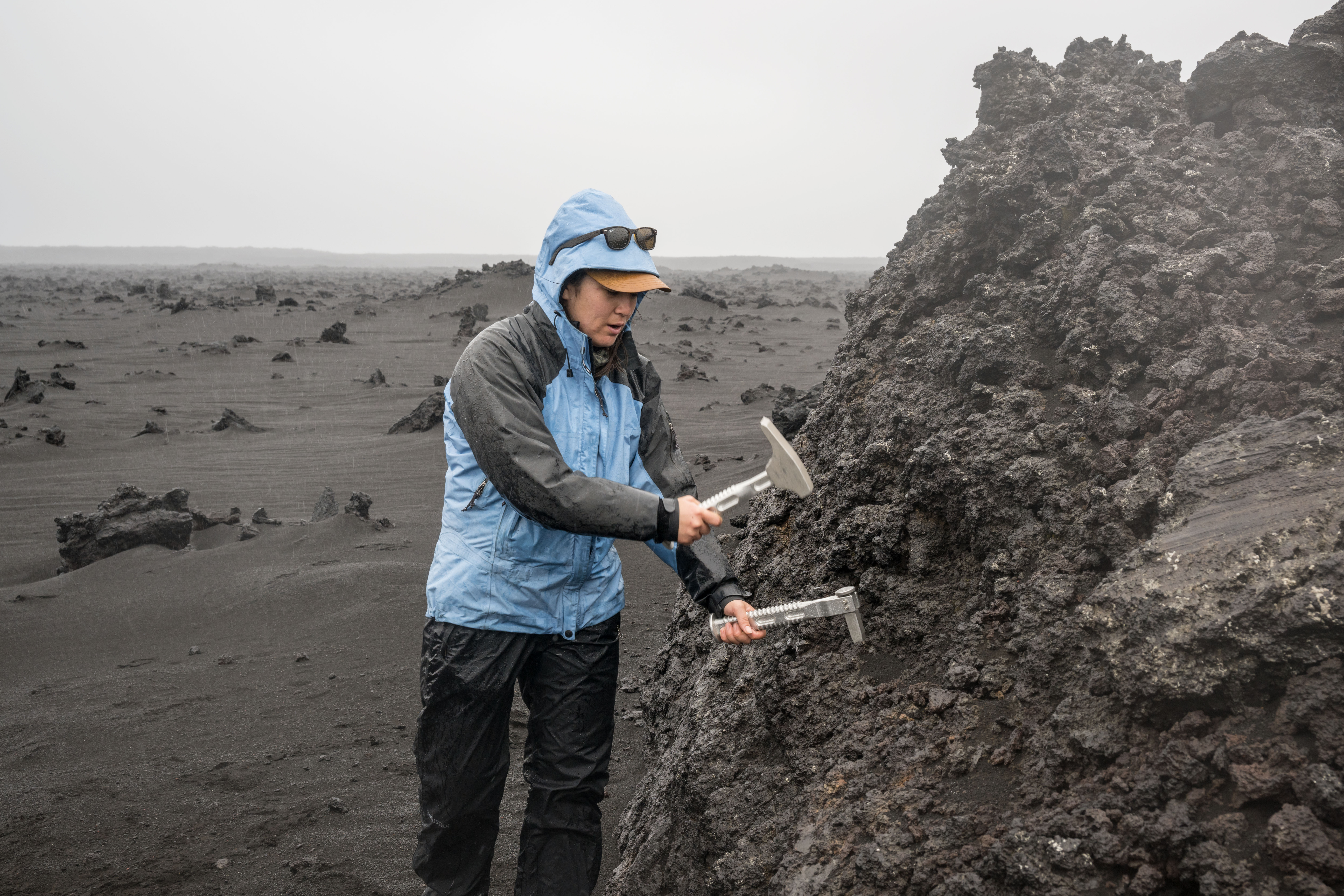
Many types of scientists and engineers work together to understand lunar regolith. If you want to study space, here are some cool jobs you could have!
Planetary Geologist: These scientists are like detectives. They study how the things in space were formed, how they have changed, and what they can tell us about the rest of the solar system. Their work helps us understand what is in space.
Chemist: Chemists look at space rocks and space dust. They want to know what these materials are made of and how they were created.
Astrobiologist: Astrobiologists are studying to find clues of life beyond Earth. They study space to find out if life ever existed – or could exist – somewhere else in the universe.
Planetary Scientist: These scientists use pictures, data from spacecraft, and even samples from rocks and dust to learn about other worlds. They explore space without ever leaving Earth!
Remote Sensing Scientist: These scientists use satellites, drones, and special cameras to study planets from far away. It is like being a space spy who looks for clues from above.
Engineers: Engineers solve problems! Civil engineers, materials engineers, and geotechnical engineers work together to understand how regolith can best be used for building materials and get useful resources on the Moon.
Explore More
Watch: Mitigating Lunar Dust
Watch: NASA SCALPSS
Watch: Surprisingly STEM: Exploration Geologist Surprisingly STEM: Moon Rock Processors
📚 NCsolve - Your Global Education Partner 🌍
Empowering Students with AI-Driven Learning Solutions
Welcome to NCsolve — your trusted educational platform designed to support students worldwide. Whether you're preparing for Class 10, Class 11, or Class 12, NCsolve offers a wide range of learning resources powered by AI Education.
Our platform is committed to providing detailed solutions, effective study techniques, and reliable content to help you achieve academic success. With our AI-driven tools, you can now access personalized study guides, practice tests, and interactive learning experiences from anywhere in the world.
🔎 Why Choose NCsolve?
At NCsolve, we believe in smart learning. Our platform offers:
- ✅ AI-powered solutions for faster and accurate learning.
- ✅ Step-by-step NCERT Solutions for all subjects.
- ✅ Access to Sample Papers and Previous Year Questions.
- ✅ Detailed explanations to strengthen your concepts.
- ✅ Regular updates on exams, syllabus changes, and study tips.
- ✅ Support for students worldwide with multi-language content.
🌐 Explore Our Websites:
🔹 ncsolve.blogspot.com
🔹 ncsolve-global.blogspot.com
🔹 edu-ai.blogspot.com
📲 Connect With Us:
👍 Facebook: NCsolve
📧 Email: ncsolve@yopmail.com

😇 WHAT'S YOUR DOUBT DEAR ☕️
🌎 YOU'RE BEST 🏆