
From the 1950s through the 1980s, the United States and Soviet Union built and tested thousands of nuclear weapons. Fallout from those tests has littered the planet with radioactive debris — a legacy that lives on.
U.S testing took place in western states and on Pacific islands. The Soviets also tested their nukes on Pacific islands as well as at sites in what is now Russia and Kazakhstan.
People living near nuclear sites were sometimes exposed to radioactive materials, known as fallout. Winds carried this toxic dust and other stuff downwind of the sites. That’s why U.S. communities in the wind’s path became known as downwinders.
Kate Brown has studied the health of people in downwinders. She’s a historian at the Massachusetts Institute of Technology in Cambridge. Their health records from the test era “show high levels of cancer, thyroid disease and other illnesses,” she says.
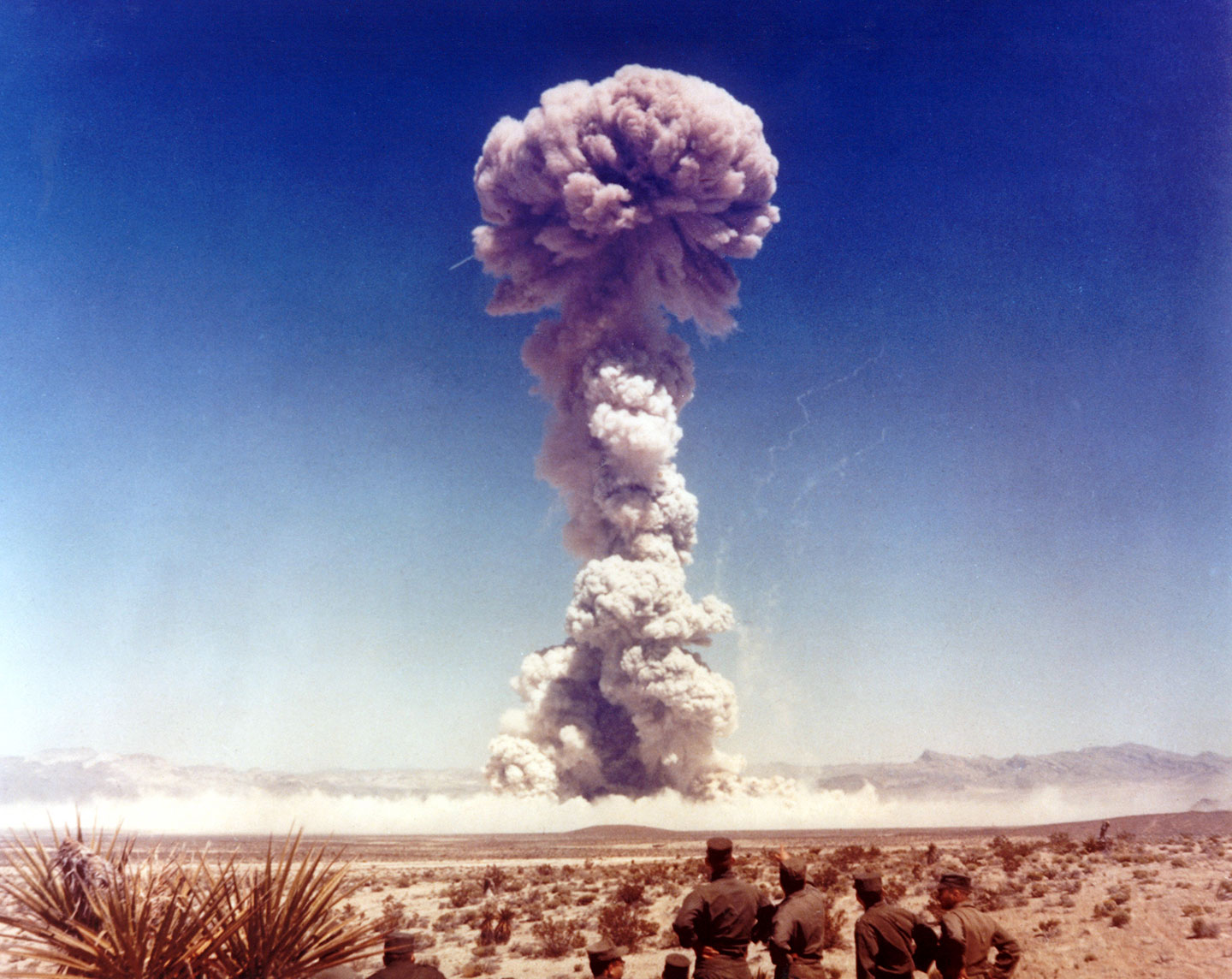
Some radioactive materials decay in a few weeks or months. Others can take decades or even centuries. So they their threat can linger for a very long time.
One of the main radioactive substances released by nuclear explosions is cesium-137. It has a 30-year half-life. So 50 percent of what’s present will decay every 30 years.
Such long-lived elements are helping mark a major period in human history.
“Many geographers look for signs of the Anthropocene — the era when humans have altered life on Earth,” says Brown. Such signs can include bits of plastic or evidence of fossil-fuel use. But “the most common signal they find is radioactive cesium-137,” she says. A notable layer of that isotope and others (such as plutonium) were left behind in soil and sea sediments. They now serve as a lasting record of that relatively brief era of aboveground nuclear testing.
📚 NCsolve - Your Global Education Partner 🌍
Empowering Students with AI-Driven Learning Solutions
Welcome to NCsolve — your trusted educational platform designed to support students worldwide. Whether you're preparing for Class 10, Class 11, or Class 12, NCsolve offers a wide range of learning resources powered by AI Education.
Our platform is committed to providing detailed solutions, effective study techniques, and reliable content to help you achieve academic success. With our AI-driven tools, you can now access personalized study guides, practice tests, and interactive learning experiences from anywhere in the world.
🔎 Why Choose NCsolve?
At NCsolve, we believe in smart learning. Our platform offers:
- ✅ AI-powered solutions for faster and accurate learning.
- ✅ Step-by-step NCERT Solutions for all subjects.
- ✅ Access to Sample Papers and Previous Year Questions.
- ✅ Detailed explanations to strengthen your concepts.
- ✅ Regular updates on exams, syllabus changes, and study tips.
- ✅ Support for students worldwide with multi-language content.
🌐 Explore Our Websites:
🔹 ncsolve.blogspot.com
🔹 ncsolve-global.blogspot.com
🔹 edu-ai.blogspot.com
📲 Connect With Us:
👍 Facebook: NCsolve
📧 Email: ncsolve@yopmail.com

😇 WHAT'S YOUR DOUBT DEAR ☕️
🌎 YOU'RE BEST 🏆